A pre-purchase inspection (often shortened to PPI) is the single most powerful tool a used-car buyer has. It is a systematic, independent evaluation of a vehicle's mechanical, structural, electrical and safety condition, performed before you commit your money. Done right, it turns a nerve-wracking gamble into a fact-based decision. This guide is the complete, no-fluff explanation of what a pre-purchase inspection is, what it covers, what it costs, how to read the results, and how to use it to protect thousands of your hard-earned dollars.
Whether you are buying from a dealership, a private seller on Facebook Marketplace, or a listing three states away, the principles here apply. By the end, you will understand exactly why professional buyers — and smart first-time buyers — never skip this step.
What a pre-purchase inspection actually is
A pre-purchase inspection is not the same as a state safety or emissions test, and it is not the same as a dealer's own "multi-point inspection." A true PPI is performed by an independent expert whose only client is you, the buyer. That independence is the whole point: the inspector has no incentive to close the sale, hit a quota, or gloss over problems. Their job is simply to tell you the truth about the car.
The inspection is a snapshot of the vehicle's current condition and its foreseeable risks. It combines a hands-on mechanical evaluation, a computerized diagnostic scan, a road test where possible, and a careful structural review. The result is a clear picture of what you are really buying — not what the advertisement promises.
Good to Know
At CarLens, every inspection is compiled into a plain-English Vehicle Decision Report with a Confidence Score, photo evidence of key findings, and clear guidance so you know exactly where you stand before you spend a dime.
Why skipping an inspection is the costliest mistake in car buying
The math is simple and brutal. A professional inspection costs a small fraction of what a single hidden problem can cost to repair. A slipping transmission, a cracked engine block, a corroded frame, or undisclosed accident damage can each run into the thousands — and none of them are reliably visible during a quick test drive or a glance under the hood.
Buyers routinely tell themselves they will "save" money by skipping the inspection. In reality they are gambling the price of a repair bill against the price of an inspection. The house almost always wins that bet. The money not spent on an inspection is the most expensive money you will never see again when the car needs a transmission in month two.
Watch Out
The single most common regret we hear from buyers is not "I paid too much for an inspection." It is "I wish I had gotten one." Nearly every expensive surprise a buyer describes would have been caught by a proper PPI.
The major systems a thorough inspection covers
A comprehensive pre-purchase inspection is head-to-toe. While the exact checklist varies by inspector and vehicle, a professional evaluation covers all of the following major systems in detail.
Engine and cooling system
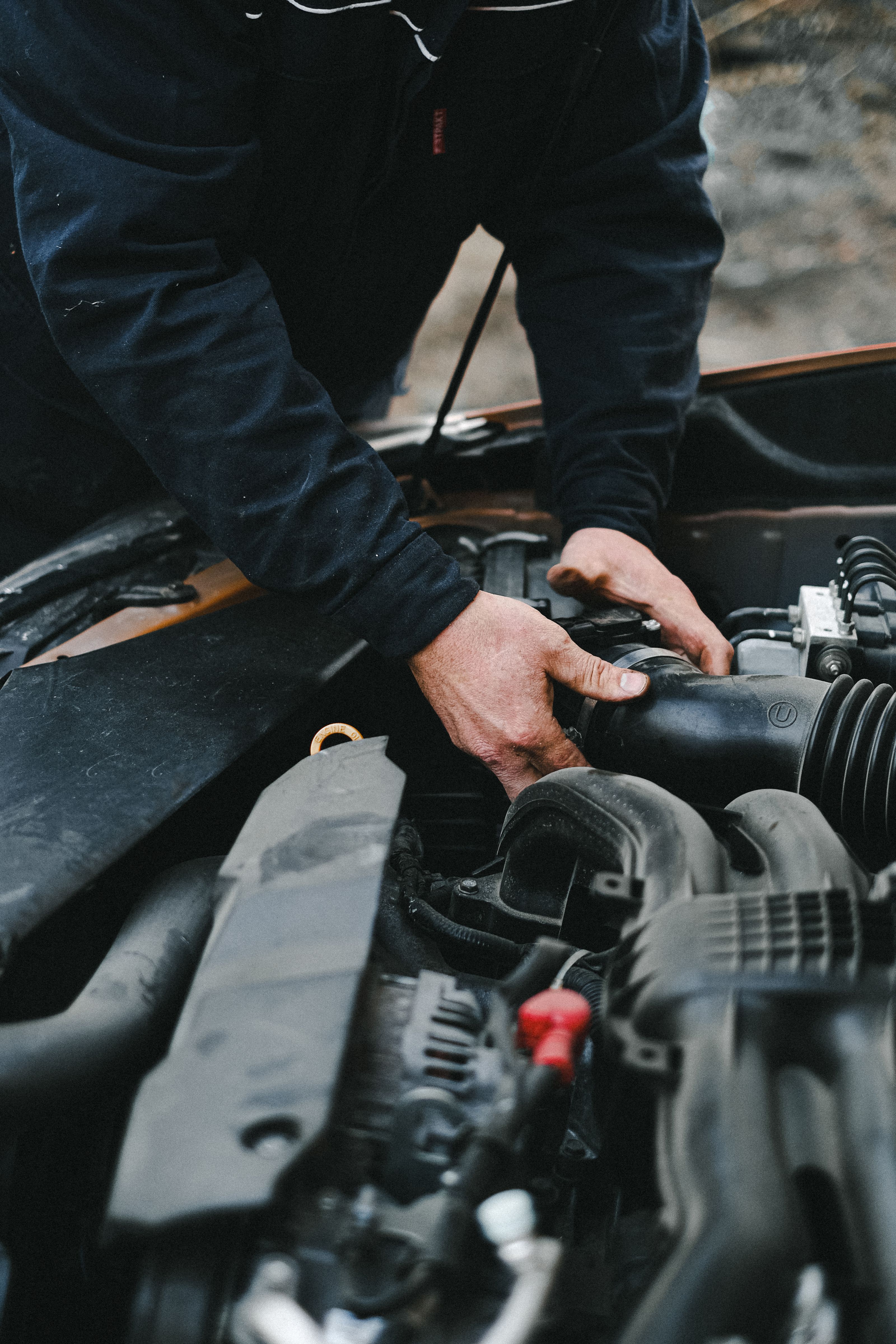
The engine is the heart of the vehicle and the most expensive thing to replace, so it gets close attention. Inspectors look for active oil, coolant and fuel leaks; the condition and level of the oil; signs of a head-gasket problem (milky residue on the oil cap or coolant contamination); the health of belts and hoses; and any unusual noises at idle and under load. In Florida especially, the cooling system is scrutinized because relentless heat is hard on radiators, water pumps and thermostats.
- Oil, coolant, transmission and power-steering leaks
- Oil condition and correct fluid levels
- Head-gasket warning signs (milky oil, coolant loss)
- Belt and hose cracking or glazing
- Radiator, water pump and cooling-fan operation
- Cold-start behavior and idle quality
Transmission and drivetrain
Transmissions are the second most expensive failure point, and their problems are often subtle. A good inspection evaluates shift quality (smooth versus harsh or delayed), checks for slipping under load, inspects fluid condition where accessible, and — on a road test — feels for shudder, hesitation or clunking. On all-wheel and four-wheel-drive vehicles, the transfer case and differentials are checked as well.
Brakes, suspension and steering
These systems determine how safely the car stops and handles. Inspectors measure pad and rotor wear, inspect brake lines and hoses, and test for pulling or pulsing under braking. Suspension bushings, struts, shocks and ball joints are checked for wear that causes clunks, poor handling and uneven tire wear. Steering is evaluated for play, alignment clues and power-steering leaks.
Frame, structure and body
This is where the biggest hidden risks live. An inspector looks for evidence of prior collision repair, frame damage, hidden rust and corrosion, mismatched paint, uneven panel gaps, and welding or filler that indicates bodywork. Structural damage can compromise safety and crush resale value, and it frequently never appears on a history report.
Watch Out
Coastal and flood-prone vehicles deserve extra scrutiny of the undercarriage, frame, brake and fuel lines, and body seams. Salt air and standing water cause corrosion and electrical gremlins that can surface long after purchase.
Electronics, diagnostics and safety systems
Modern cars are rolling computers. A professional inspection includes an OBD-II diagnostic scan that reads stored and pending trouble codes — problems that may not yet trigger a dashboard light but are already logged in the vehicle's computer. Inspectors also verify airbags, seatbelts, lights, the charging system, infotainment, windows, locks and — critically in Florida — air-conditioning performance.
The role of the OBD-II diagnostic scan
The OBD-II scan deserves special mention because it reveals what the eyes and ears cannot. Every vehicle built since 1996 stores diagnostic data in its onboard computer. A scan pulls stored fault codes, pending codes that are about to become problems, and readiness monitors that can reveal whether codes were recently cleared to hide an issue before a sale.
Good to Know
If a seller cleared codes just before you arrived, the readiness monitors often give it away — a classic sign to slow down and dig deeper.
A test drive tells you the symptoms; the scan and the mechanical inspection together reveal the cause. That combination is what separates a professional evaluation from a hopeful walk-around.
What an inspection cannot do
Honesty matters, so it is worth being clear about the limits. No inspection can predict every future failure or see inside a sealed engine. It is a thorough assessment of current condition and foreseeable risk, not a crystal ball or a warranty. What it does is dramatically reduce surprises and give you leverage. A clean inspection is strong reassurance; it is not an absolute guarantee that nothing will ever go wrong.
How much does a pre-purchase inspection cost?
Costs vary by vehicle type, location and the depth of the inspection. As a rule, a professional PPI is one of the cheapest forms of insurance you can buy relative to the risk it covers. Compare the typical inspection cost against the repair bills it routinely uncovers and the value becomes obvious.
| Potential hidden problem | Typical repair cost | Caught by a PPI? |
|---|---|---|
| Transmission failure | $2,500 - $5,000+ | Yes |
| Head gasket / engine damage | $1,500 - $4,000+ | Yes |
| Frame or collision repair | $1,000 - $6,000+ | Yes |
| Worn brakes and suspension | $600 - $2,000 | Yes |
| Failing A/C system (Florida) | $800 - $2,500 | Yes |
CarLens Pro Tip
Think of the inspection fee as a deposit against disaster. Even when a car passes cleanly, you have bought genuine peace of mind and real negotiating power for a tiny fraction of the purchase price.
Inspecting different types of purchases
The way you use an inspection shifts slightly depending on where you are buying.
Buying from a private seller or Facebook Marketplace
Private-party and Marketplace sales are almost always "as-is," which means the moment you drive away, every problem is yours. This is exactly where an independent inspection matters most. Coordinate a time and place with the seller, have the vehicle inspected on-site, and never send money before the car and title are verified in person.
Buying from a dealership
Dealers often point to their own "certified" or "multi-point" inspection. Remember that inspection was done by the party trying to sell you the car. An independent PPI is an unbiased second opinion, and reputable dealers allow it. If a dealer refuses to let you take the car for an independent inspection, treat that as a serious warning sign.
Buying out of state or sight-unseen
When you cannot stand next to the car, a local independent inspection becomes your eyes on the ground. Have an inspector visit the vehicle and send you a detailed report before you commit or arrange transport. It is the best protection against remote-buying scams and misrepresented listings.
Watch Out
If a deal is unusually cheap, the seller pressures you to wire money fast, or anyone refuses an inspection, stop immediately. Those are the three most reliable signs of a scam.
How to read your inspection results
A good report does more than list problems — it puts them in context. As you read your results, sort findings into three buckets: safety and structural issues, mechanical wear that needs attention soon, and cosmetic or minor items. Safety and structural problems can be dealbreakers. Mechanical wear items are usually negotiation fuel. Cosmetic items are often just information.
- Start with safety and structural findings — these decide whether to walk away.
- Total the near-term mechanical costs — these become your negotiation dollars.
- Note cosmetic and minor items — useful context, rarely dealbreakers.
- Compare the all-in picture to the asking price and comparable listings.
This is where CarLens goes a step further: our Vehicle Decision Report distills everything into a Confidence Score and clear guidance, so you are never left guessing what the findings mean for your decision.
Turning inspection findings into negotiating leverage
Facts move prices; feelings do not. "Can you do better?" is easy to brush off. "This car needs $600 in brakes and a $900 timing belt service" is a concrete, defensible number that reshapes the negotiation. Every documented issue is a dollar figure you can reasonably subtract from the asking price — or a reason to walk away with your money intact.
Use your report like a pro
- Lead with safety and structural findings first
- Attach real dollar estimates to each mechanical issue
- Ask for a price reduction or for repairs to be completed before sale
- Be genuinely willing to walk — it is your strongest position
- Keep the conversation factual and unemotional
When to walk away entirely
Some findings should end a deal regardless of price. Undisclosed structural or frame damage, evidence of flood exposure, active head-gasket failure, a title that does not match the seller, or a seller who refuses inspection are all strong reasons to walk. There is always another car. The worst outcome is talking yourself into a bad one because you were emotionally invested.
How to prepare for a pre-purchase inspection
A little preparation makes the inspection faster and more valuable. Before the appointment, gather the vehicle's listing details, VIN, and any service records the seller can provide. Pull a vehicle history report in advance so the inspector can cross-check the physical findings against the reported timeline. Confirm a time and a safe, well-lit location with the seller, and make sure the car will be cold on arrival so the inspector can evaluate a genuine cold start.
- Have the VIN and the original listing on hand
- Request any maintenance and repair records from the seller
- Run a vehicle history report before the inspection
- Arrange for the engine to be cold, not recently warmed up
- Pick a location with room to safely raise or view the undercarriage
CarLens Pro Tip
Ask the seller not to start the car before the inspector arrives. A pre-warmed engine can hide hard-starting problems, rough idle and other cold-start symptoms an inspector wants to see.
Vehicle-specific considerations
Different vehicles carry different risks, and a good inspection adjusts accordingly. Knowing the weak points of the type of car you are buying helps you interpret the results.
Trucks and towing vehicles
Pickups and SUVs used for towing take extra strain on the transmission, cooling system, brakes and suspension. Look closely at signs of heavy use — a worn hitch, sagging rear suspension, or transmission fluid that smells burnt — because towing wear is easy to hide and expensive to fix.
Luxury and performance cars
Premium and enthusiast vehicles can be wonderful buys, but repairs are costly and modifications can mask or cause problems. Aftermarket parts, evidence of hard driving, and complex electronics all deserve a specialist-level look, along with confirmation that expensive scheduled services were actually performed.
Hybrids and electric vehicles
On hybrids and EVs, battery health and the charging system are the headline items. While no roadside inspection can fully certify a high-voltage battery, an inspector can check for warning codes, charging behavior, cooling-system integrity and the overall condition that hints at how the vehicle was treated.
High-mileage vehicles
A high odometer is not a dealbreaker — maintenance matters more than mileage. On higher-mileage cars, focus on timing-component service history, transmission health, suspension wear and evidence of consistent oil changes. A well-documented 150,000-mile car can easily outlast a neglected 70,000-mile one.
Where the inspection fits in your buying timeline
Timing is everything. The inspection belongs after you have found a specific car you are seriously considering and negotiated a tentative price, but before you sign anything or transfer money. That sequence preserves your leverage: you can still negotiate on the findings or walk away entirely. Once the money moves on an as-is sale, the car's problems become yours.
- Find a specific vehicle and confirm the basics with the seller
- Agree on a tentative price subject to inspection
- Book the independent pre-purchase inspection
- Use the report to finalize the price, request repairs, or walk away
- Only then verify the title and complete the purchase
Red flags that a seller may be hiding something
Certain behaviors reliably signal trouble. None is proof on its own, but together they should make you slow down and lean harder on the inspection.
- Refusing to allow an independent inspection or test drive
- Pressuring you to decide immediately or wire money fast
- A price that is well below comparable listings
- A recently cleared check-engine light or fresh, targeted detailing over one area
- Vague or shifting answers about ownership, accidents or maintenance
- A title that is not in the seller's name or does not match the VIN
Watch Out
If a seller will not let you have the car inspected by your own independent expert, that is not a scheduling problem — it is a warning. Honest sellers welcome scrutiny.
Mobile inspections versus shop inspections
Traditionally, a buyer had to drive the car to a trusted shop for a PPI — inconvenient when the seller is across town and the car may not even be sold to you yet. Mobile inspections solve this by bringing the expert to the vehicle wherever it is. For private-party and Marketplace sales in particular, a mobile service removes the friction and awkwardness of moving a car you do not yet own, and it means the seller never has to leave home. The quality of the inspection is the same; the convenience is dramatically better.
After the inspection: your three options
Every inspection ends with one of three clear paths, and a good report makes the right one obvious.
- Buy with confidence — the car checks out and the price is fair.
- Negotiate — documented issues become concrete dollars you can subtract from the price, or repairs you ask the seller to complete first.
- Walk away — the findings reveal risks or costs that outweigh the deal, and you keep your money for the next car.
There is no wrong outcome here. Even a walk-away is a win: you avoided a bad purchase for the price of an inspection. The goal was never to force a sale — it was to make sure that whatever you decide, you decide on facts.
The CarLens approach
CarLens was built to make this entire process simple and trustworthy for buyers across Northeast Florida. We are fully mobile, so we meet the seller and inspect the vehicle wherever it is. We are completely independent, with no dealer affiliation, so our only job is to protect you. And we turn every inspection into a clear Vehicle Decision Report you can actually use — to negotiate, to walk away, or to buy with total confidence.
For the wider buying picture, pair this guide with our ultimate guide to buying a used car, our used car buying checklist, and our breakdown of what a pre-purchase inspection covers. If you are buying in a specific city, we also publish local buying guides for towns across the region.
Not sure about a car you're eyeing? A CarLens Pre-Purchase Inspection puts a certified expert under the hood before you spend a dime.
